
Illuminate your space with our scented candles
When you light a candle, you’re inviting peace, comfort, and fragrance into your space — but have you ever stopped to think about what you’re breathing in? At Chao Essence, we believe a handmade candle should not only smell beautiful but also be safe, clean, and non-toxic.
In this guide, we break down what makes a candle truly “clean” — so you can feel confident in what you’re bringing into your home.
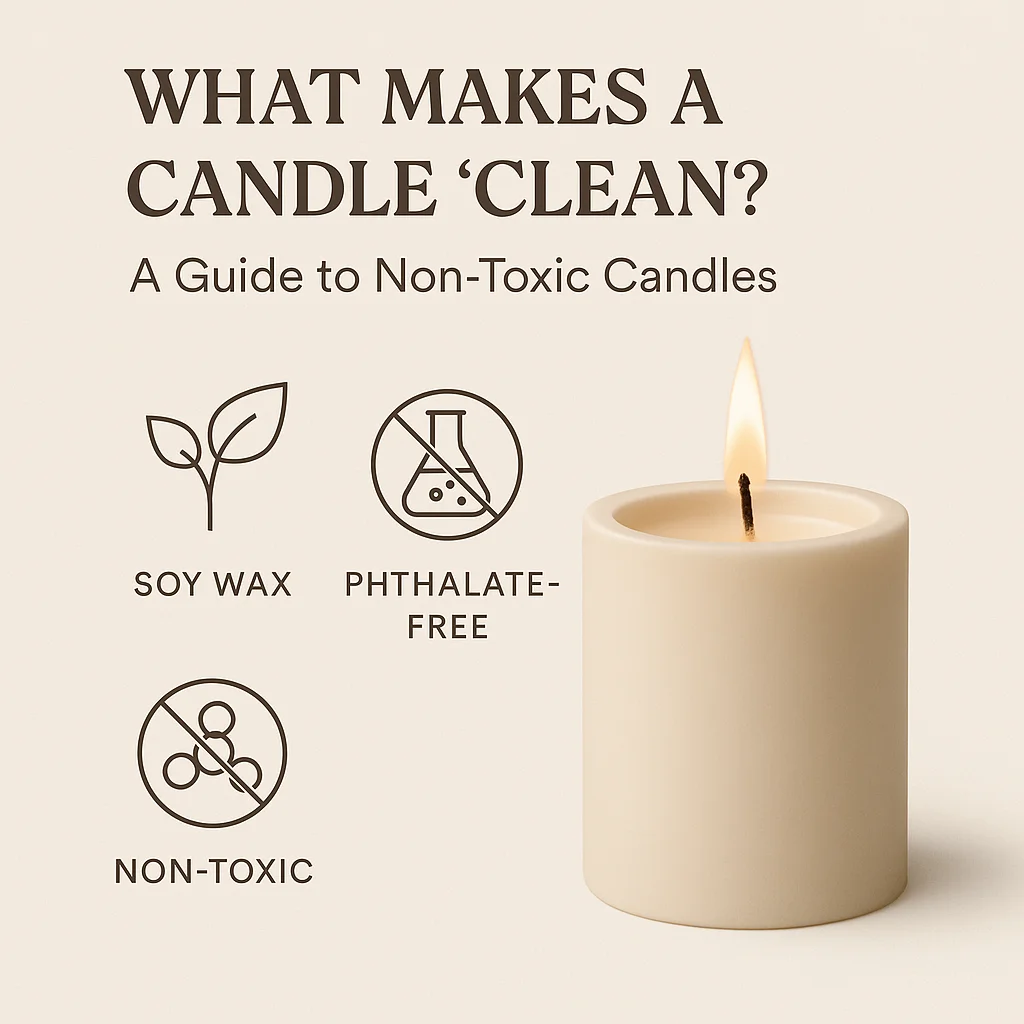
Candles have long served as symbols of tranquility, warmth, and self-care. In recent years, however, the term “clean candle” has become increasingly popular, especially among health-conscious consumers and eco-friendly brands. But what exactly makes a candle “clean” and non-toxic? Is it the wax, the wick, the fragrance, or all of the above?
The term “clean” in the context of candles is akin to its use in the beauty or food industry. It refers to products made without ingredients known or suspected to be harmful to human health or the environment.
A clean candle should:
Unlike conventional candles, clean candles are crafted to ensure a safe, sustainable, and enjoyable user experience. It’s not just a trend — it’s part of a movement toward wellness, sustainability, and conscious living.
The wax used in a candle is perhaps its most fundamental component. Not all waxes are created equal when it comes to health and environmental impact.
Paraffin wax is derived from petroleum, a non-renewable resource. When burned, paraffin candles can release potentially harmful toxins such as:
Other red flags in conventional candles:
While they may be inexpensive and widely available, paraffin candles are far from clean.
Soy wax, derived from soybean oil, is renewable, biodegradable, and clean-burning. It produces minimal soot and holds fragrance well, making it an excellent alternative for those seeking a cleaner burn. Plus, it supports agriculture, especially in countries like the USA, where soy farming is prominent.
Explore our soy wax scented candles for a clean and soothing burn.
Beeswax is one of the oldest and purest forms of wax. It burns cleanly, emits negative ions that can help purify the air, and has a naturally subtle honey scent. However, it may not be vegan-friendly, and sourcing should be ethical to maintain environmental integrity.
Coconut wax is another eco-conscious option. It’s renewable, slow-burning, and often blended with soy or other natural waxes to enhance performance. Blends can be beneficial, but it’s essential to check what they’re mixed with.
The wick might seem like a minor detail, but it significantly affects how cleanly a candle burns.
Fragrance is another crucial factor in determining a candle’s cleanliness. Scents make candles desirable, but not all fragrances are created equally.
Many candles use synthetic fragrance oils, which can contain phthalates—a group of chemicals linked to hormonal disruptions and other health concerns. Unless labeled as phthalate-free, synthetic fragrances are best avoided.
Clean candles often use essential oils for fragrance. While natural, essential oils must be used correctly to be safe and effective. They should be used in appropriate concentrations and should not cause irritation or allergic reactions.
Some safe synthetic fragrances exist and are formulated to meet strict safety standards. Look for brands that fully disclose their ingredients and use certified safe synthetics.
Color can make candles visually appealing, but certain dyes and pigments may contain toxic ingredients or heavy metals.
Clean candles often go hand-in-hand with eco-friendly packaging:
Discover our handmade concrete vessel candles designed for reusability and modern aesthetics.
To ensure you’re truly buying a clean candle, look for brands that value transparency:
At Chao Essence, clean-burning candles are at the heart of what we do. Here’s what sets us apart:
We use 100% soy wax — a renewable, biodegradable wax derived from soybeans. It burns slower and cleaner than paraffin, producing less soot and better air quality.
Our candles are scented with clean fragrance oils that are free of phthalates, parabens, and other toxins. Each scent is hand-picked for its elegance, safety, and sensory experience. Check our products
We use lead-free, cotton wicks and wooden wicks to ensure an even burn with no harsh smoke or metal residue.
A candle can do more than scent a room—it can reflect your values and support your wellness. By choosing clean, non-toxic candles, you’re investing in better air quality, ethical production, and a more mindful lifestyle.
That’s why every candle we pour at Chao Essence is made with intention, transparency, and care. Next time you shop, think beyond the scent. A clean candle is more than just a beautiful flame—it’s a conscious decision.
👉 Explore Our Non-Toxic Candle Collection »

